

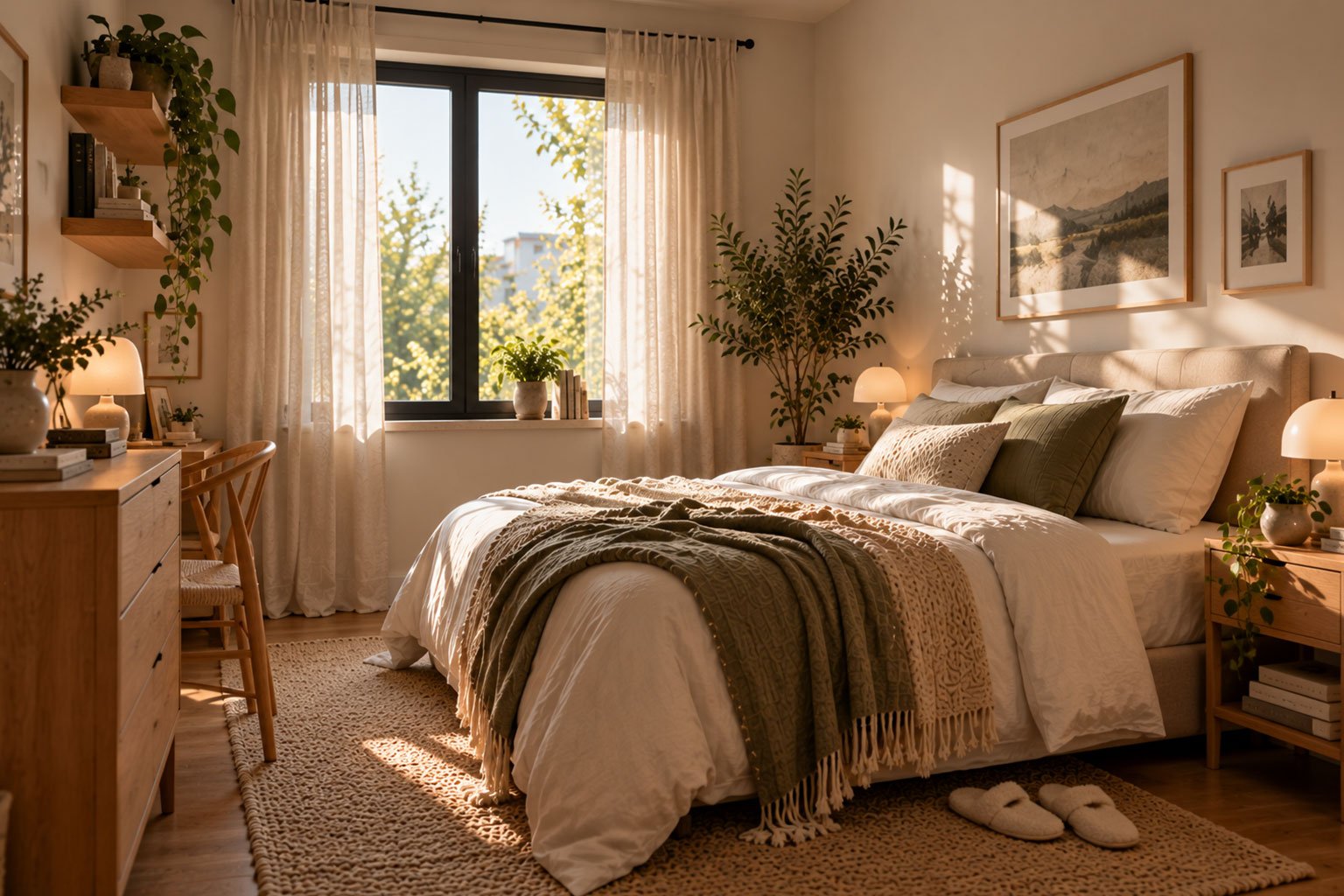

A small bedroom doesn’t have to feel cramped. With the right layout, lighting, colors, and a few thoughtful details, even a compact room can feel more open, comfortable, and inviting.
The trick isn’t necessarily to add more. In many cases, it’s about making better use of the space you already have.
From choosing the right bedside lighting to using mirrors and smarter storage, these small bedroom ideas can help make your room feel bigger without requiring a major renovation.
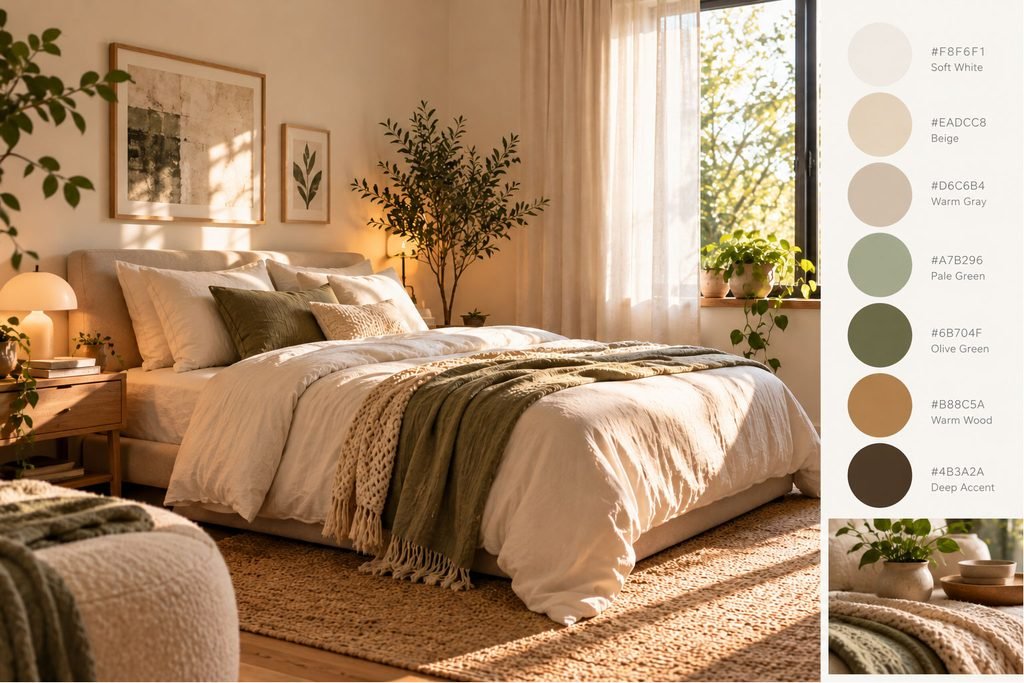
1. Keep the Color Palette Light
Light colors can make a small bedroom feel brighter and more open. White, soft beige, warm gray, pale green, and other muted shades help reflect light around the room instead of making the walls feel visually heavy.
You don’t have to make everything white, either. A warm neutral palette with a few darker accents can still feel cozy while keeping the room visually light.
Try this: Keep larger surfaces such as walls, bedding, and curtains in similar light tones, then add contrast through smaller decorative pieces.
2. Let in as Much Natural Light as Possible
Natural light can completely change how a small bedroom feels.
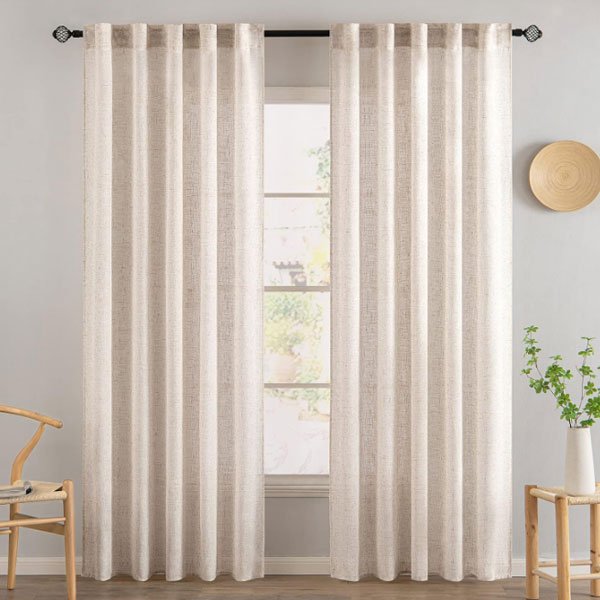
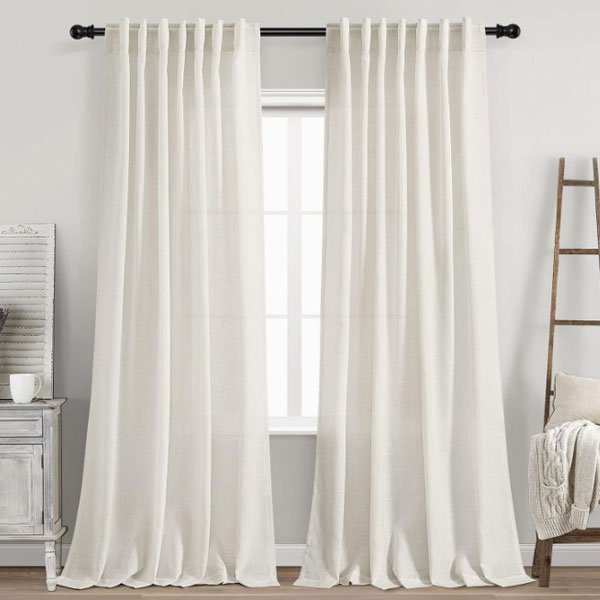
Avoid blocking the window with bulky furniture or heavy curtains. Instead, use lightweight curtains that allow daylight to filter into the room while still giving you privacy.
If privacy isn’t an issue, keeping the window area as visually clear as possible can make the entire room feel more open.
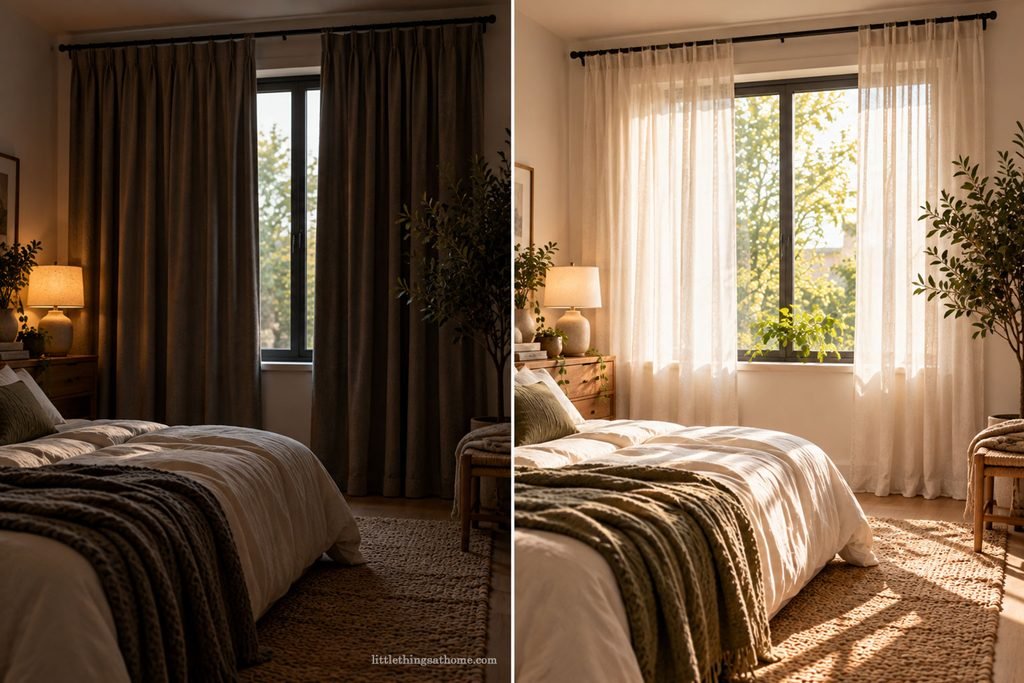
Small change: Replace thick, dark curtains with light-filtering curtains in a soft neutral color.
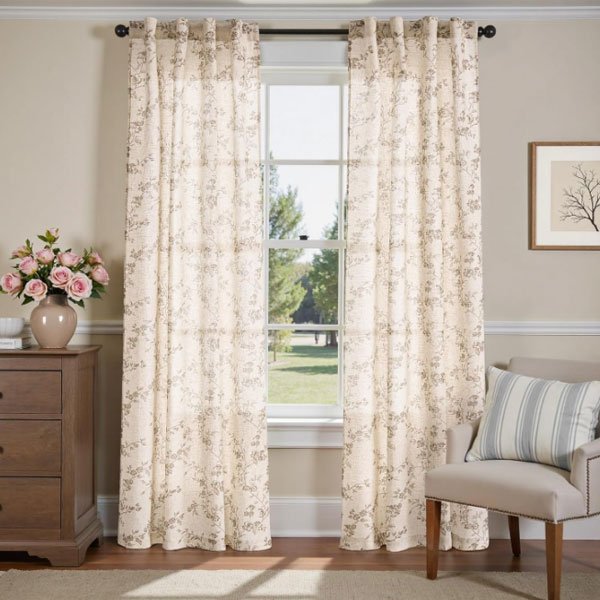
Amazon opportunity: Light-filtering curtains and simple curtain panels.
3. Choose a Bed With Built-In Storage
In a small bedroom, every bit of storage matters.
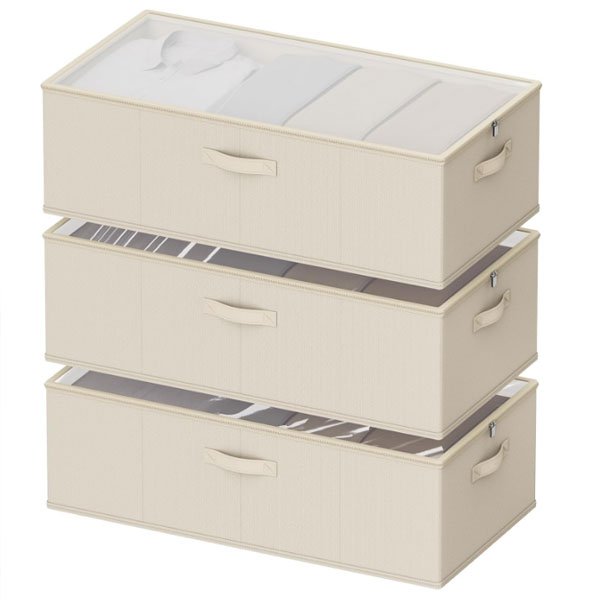
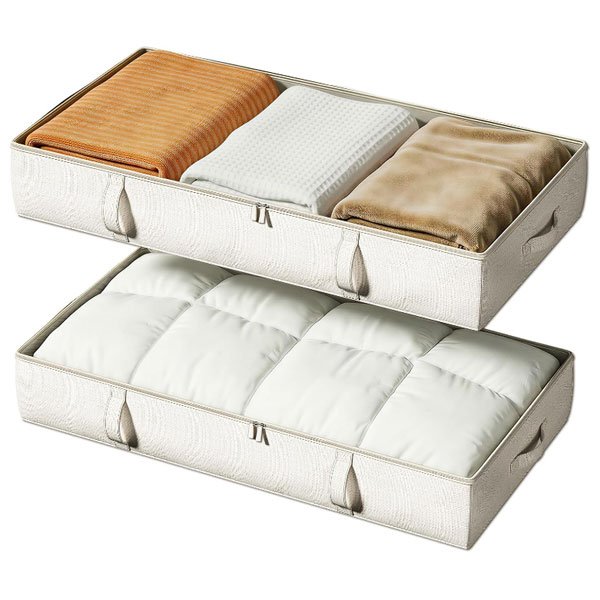
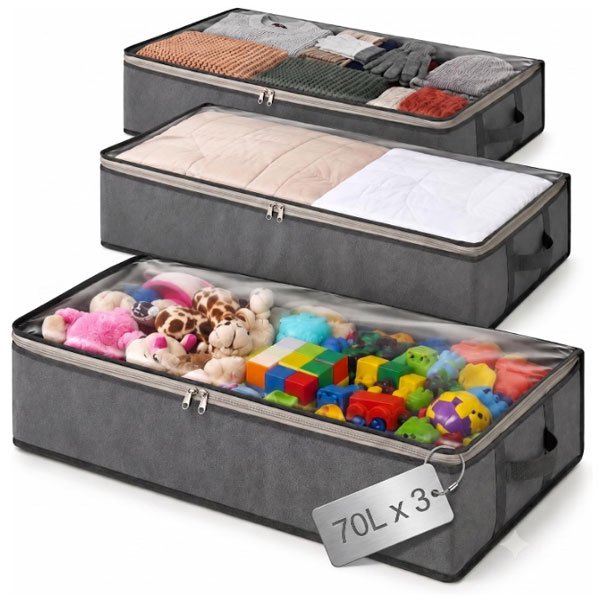
A bed with drawers underneath or enough clearance for storage containers can turn unused space into a practical storage area for extra bedding, seasonal clothing, shoes, or other things you don’t need every day.
You don’t necessarily need to buy a new bed, either. Under-bed storage containers can provide a similar benefit while working with your existing furniture.
Amazon opportunity: Under-bed storage boxes, bags, and organizers.
4. Use a Mirror to Reflect Light
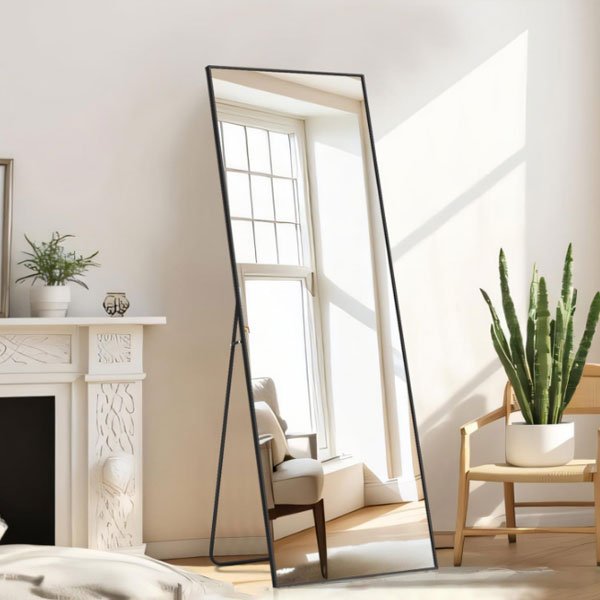
A well-placed mirror can make a small bedroom feel larger by reflecting light and creating the impression of additional visual space.
A large mirror opposite or near a window can be especially effective because it reflects natural light back into the room.
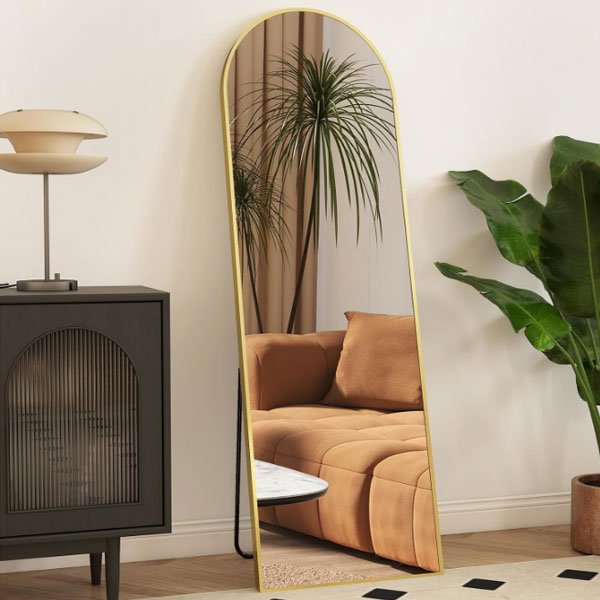
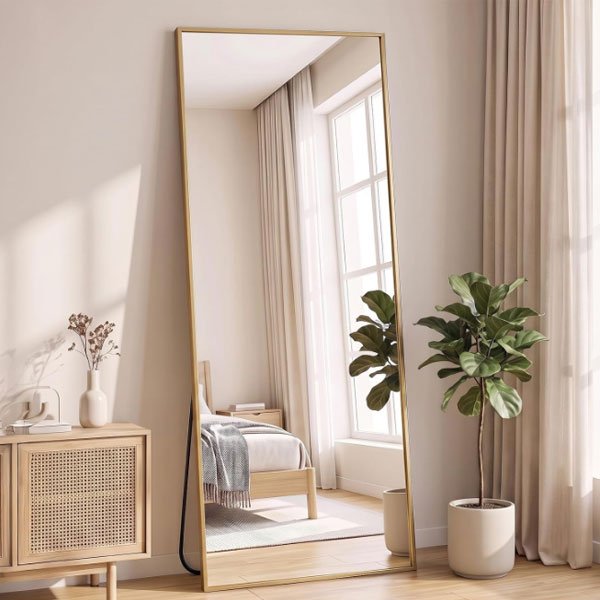
You don’t need to cover an entire wall. Even a tall leaning mirror or a strategically placed wall mirror can make a noticeable difference.
Tip: Choose a simple frame that matches the rest of your bedroom instead of introducing another strong visual element.
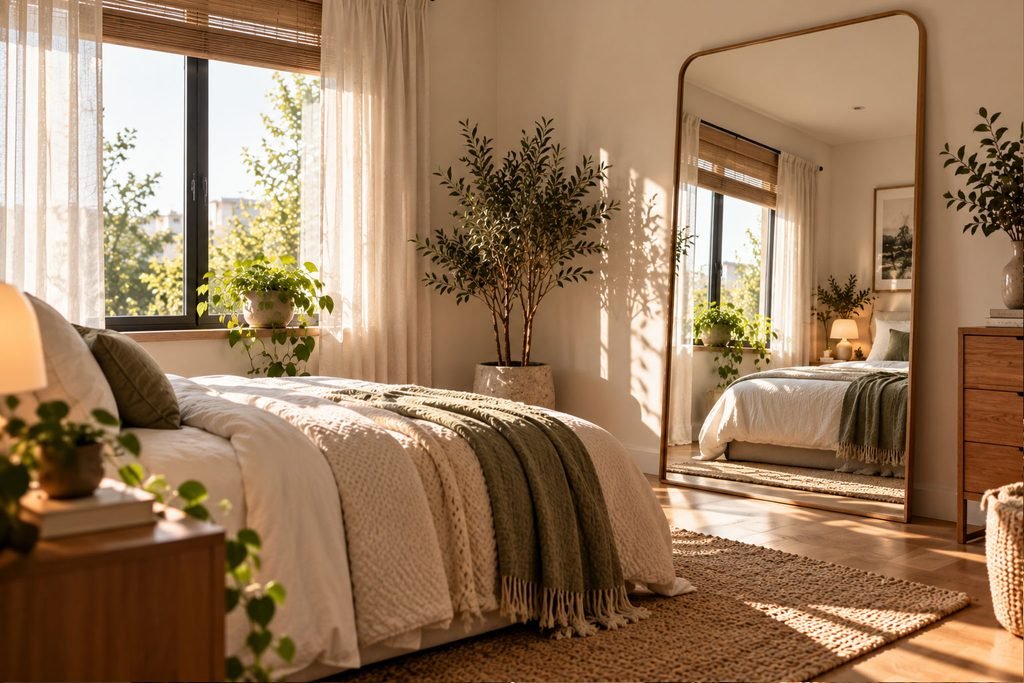
Amazon opportunity: Full-length mirrors and minimalist wall mirrors.
5. Keep the Floor as Clear as Possible
A crowded floor can make a small bedroom feel even smaller.
Try to keep unnecessary furniture and storage pieces off the floor. If you need additional storage, consider wall-mounted shelves, floating nightstands, or furniture with built-in storage.
The more visible floor you have, the more spacious the room can feel.
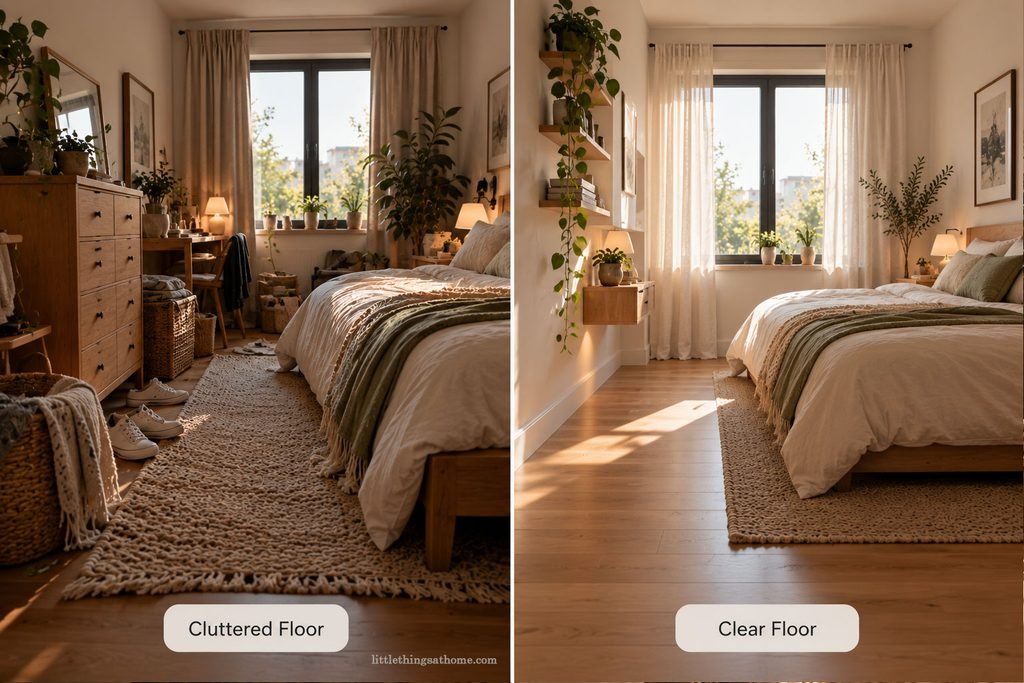
Small change: Look around your bedroom and ask yourself which items actually need to stay on the floor.
6. Try a Floating Nightstand
Traditional bedside tables can take up more floor space than you realize.
A floating nightstand attached to the wall gives you a convenient surface for a lamp, phone, book, or glass of water without adding another piece of furniture directly onto the floor.
It can also make cleaning easier and create a lighter visual appearance.
If you already have a small bedside table, simply keeping the area underneath it clear can create a similar effect.
Amazon opportunity: Floating shelves and compact wall-mounted nightstands.
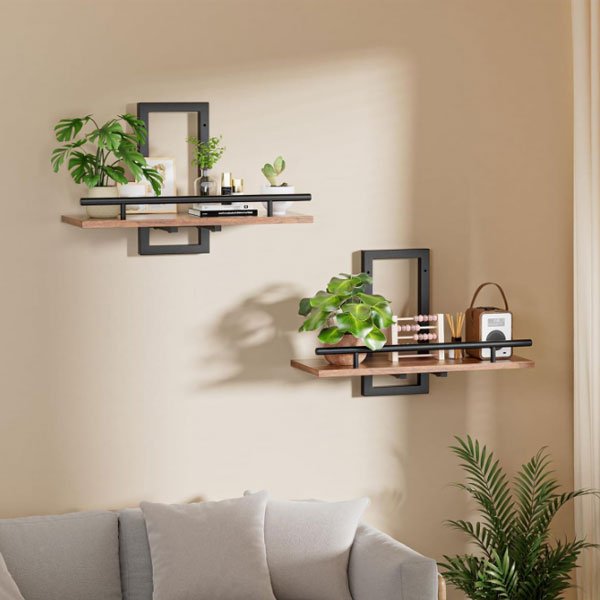
7. Use Vertical Space
When floor space is limited, look up.
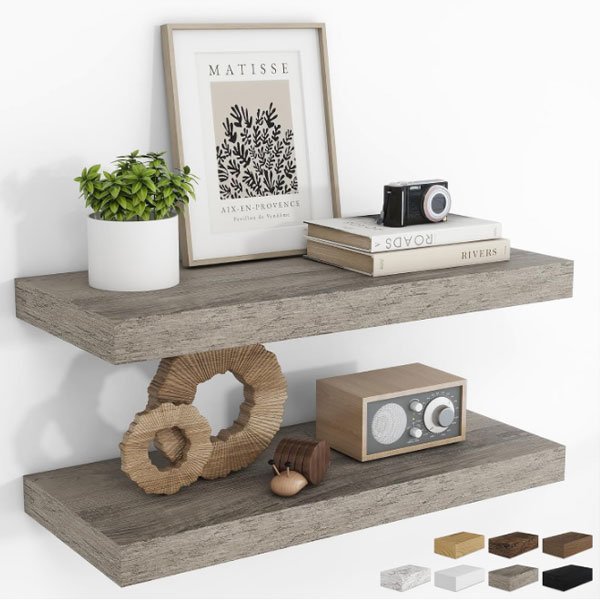
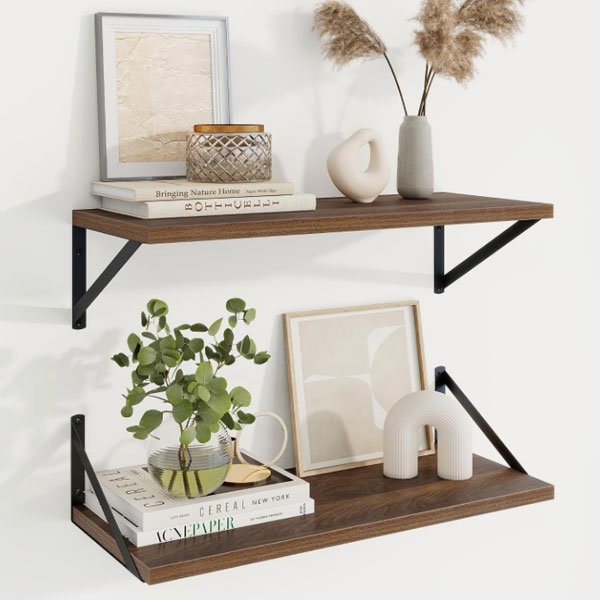
Walls provide valuable storage and decorating opportunities without taking away from the walking area. Floating shelves, tall bookcases, hooks, and wall-mounted organizers can help you make better use of vertical space.
A tall, narrow storage unit can often hold much more than a wide, short one while taking up less floor area.
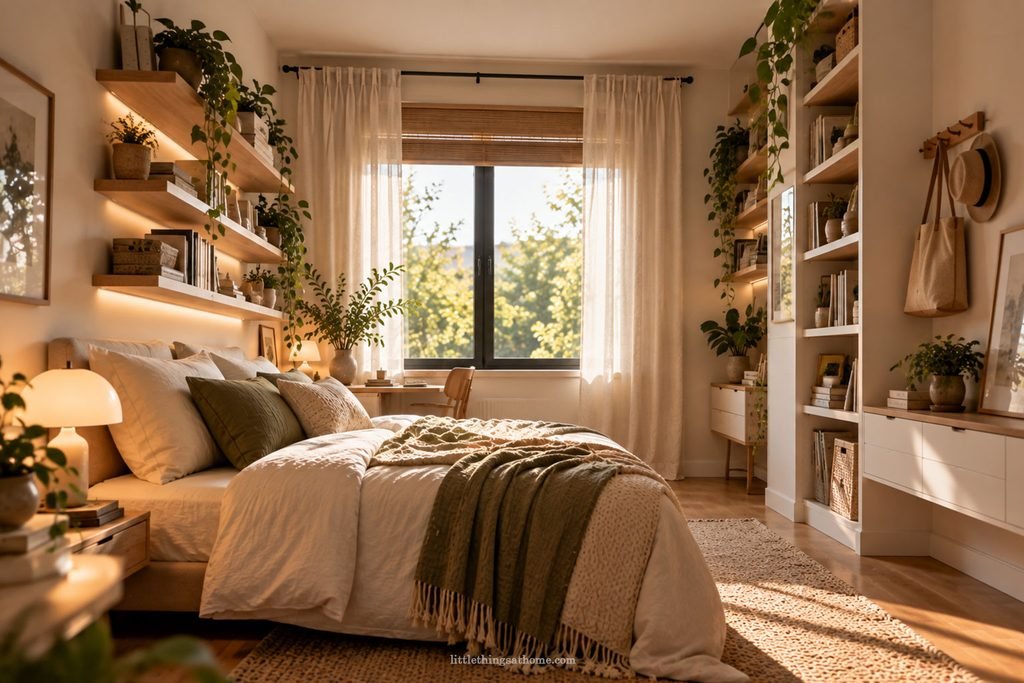
Tip: Keep vertical storage organized and visually simple. Too many objects on open shelves can create the opposite effect.
8. Choose Bedding That Doesn’t Feel Bulky
Your bed is usually the largest visual element in a bedroom, so bedding can have a surprisingly big impact on how spacious the room feels.
Very heavy comforters, oversized pillows, and too many decorative layers can make a small bed look even larger.
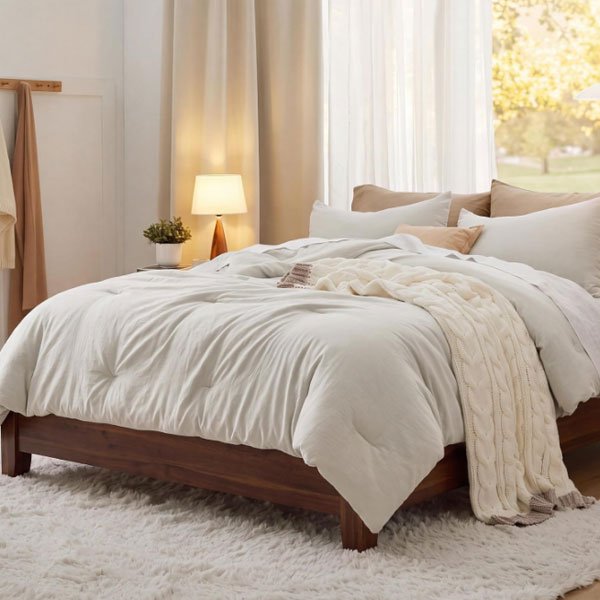
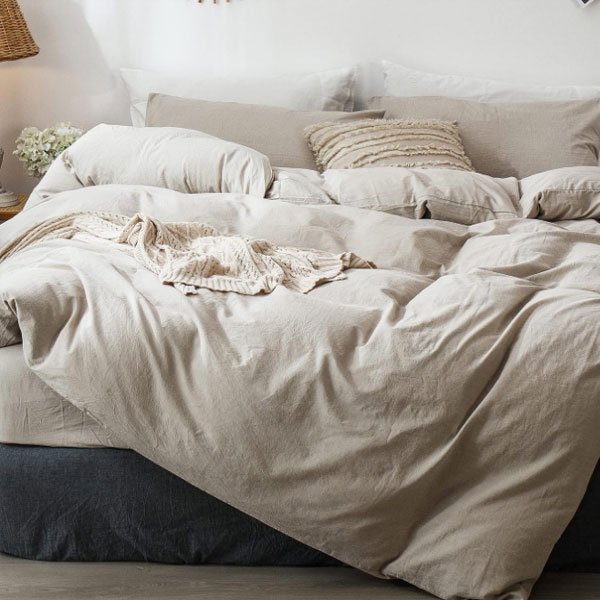
Instead, try a simple combination of breathable bedding, a lightweight throw, and a few pillows.
The goal isn’t to make the bed look empty. It’s to give it enough texture and comfort without overwhelming the room.
Amazon opportunity: Lightweight comforters, neutral duvet covers, and simple throw blankets.

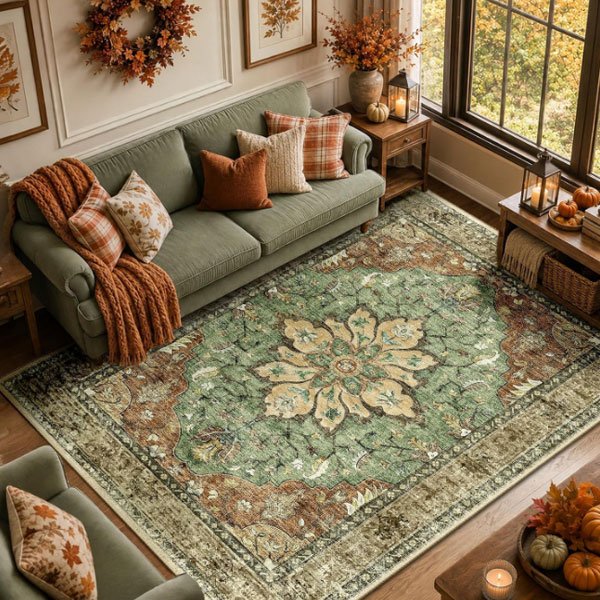
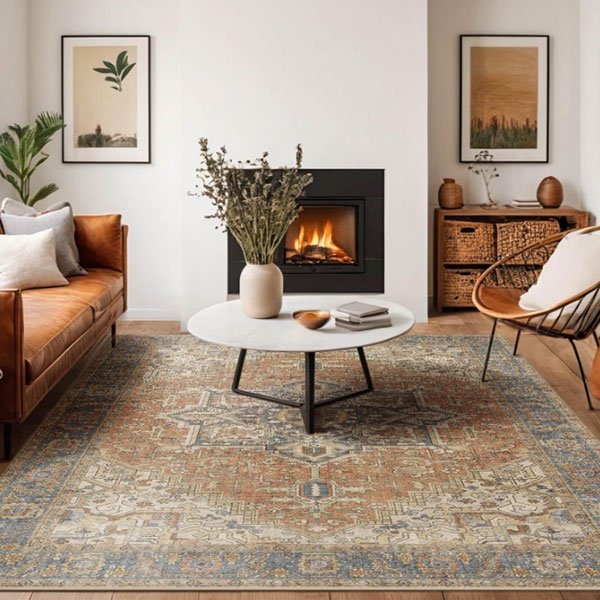
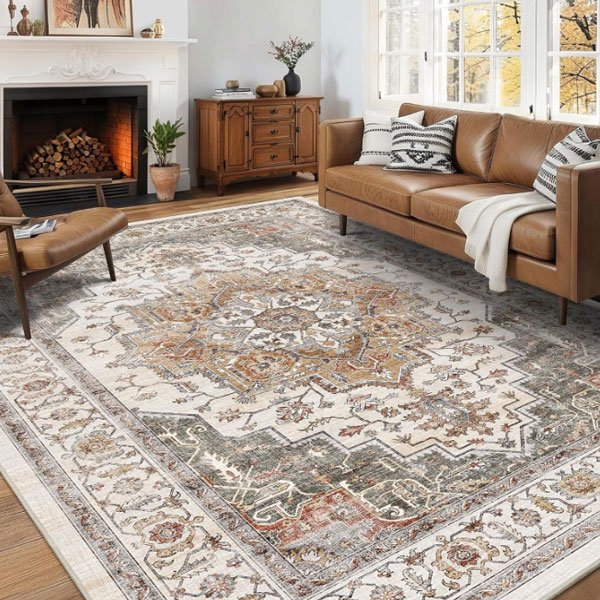
9. Use One Large Rug Instead of Several Small Ones
Multiple small rugs can visually break up the floor and make a compact bedroom feel more fragmented.
A single appropriately sized rug can create a more continuous visual area while adding warmth and texture.
For a bedroom, positioning the rug so that it extends beyond the sides or lower portion of the bed can help anchor the entire space.
If a large rug isn’t practical, a simple runner beside the bed can still add softness without creating too many visual sections.
Amazon opportunity: Neutral area rugs and washable bedroom rugs.
10. Choose Furniture With a Smaller Visual Footprint
Furniture doesn’t only take up physical space. It also takes up visual space.
A bulky nightstand, oversized chair, or heavy dresser can make a small bedroom feel crowded even when there is technically enough room to walk around.
Look for furniture with slim legs, simple shapes, and lighter proportions. Furniture that allows you to see some of the floor underneath can also make the room feel less enclosed.
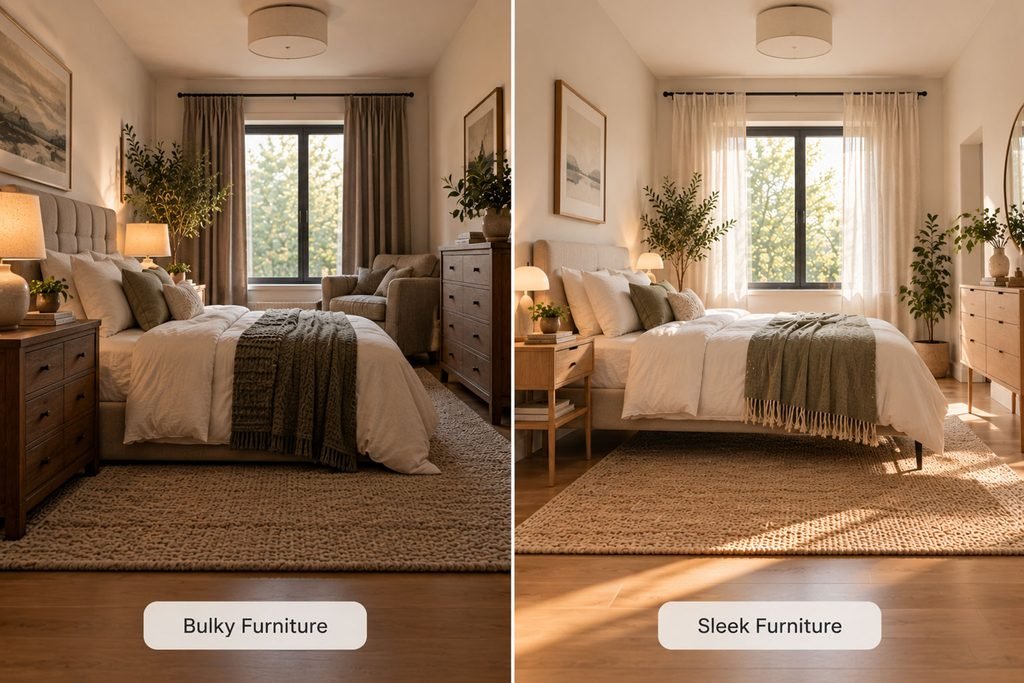
Think: less bulk, more breathing room.
11. Keep the Nightstand Clutter-Free
A messy nightstand can make an entire bedroom feel more crowded.
You really only need a few things within reach: perhaps a lamp, your phone, a book, and something personal.
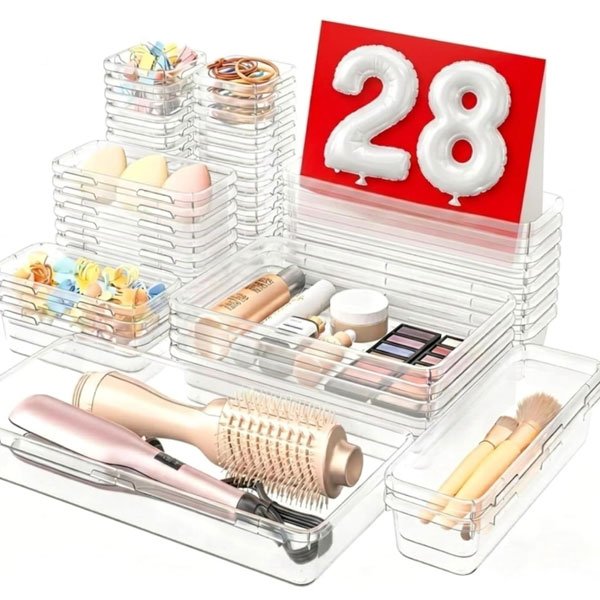
Use a small tray or drawer organizer to keep smaller items together instead of letting them spread across the surface.
This is one of those tiny changes that costs very little but can make the room feel noticeably calmer.
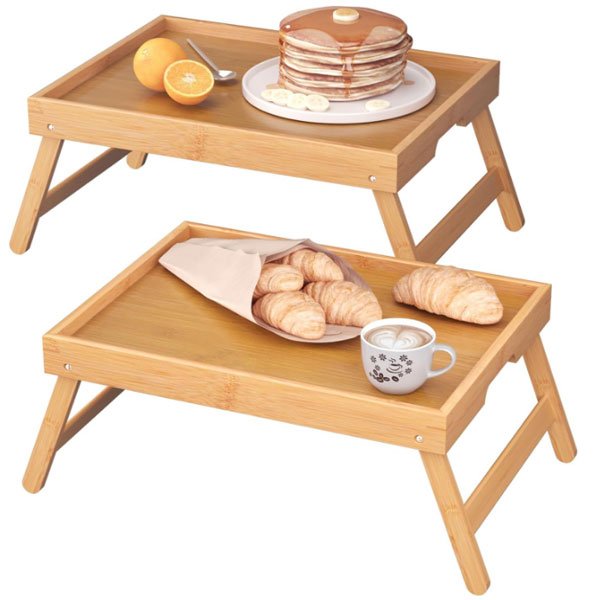
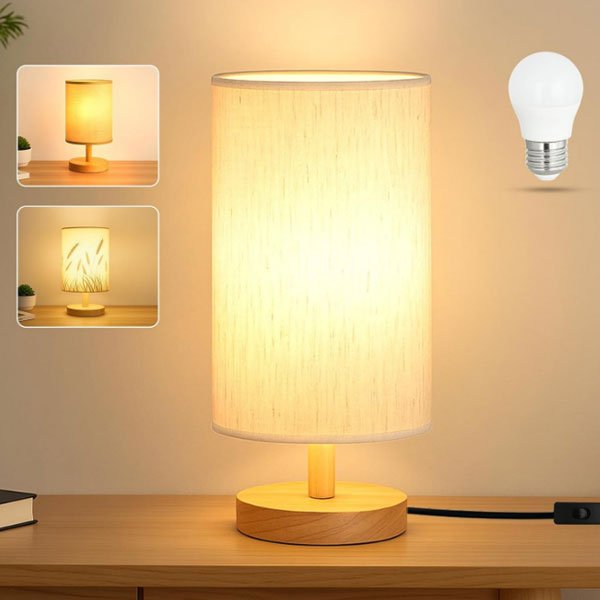
Amazon opportunity: Bedside trays, small organizers, and compact table lamps.
12. Hang Curtains Higher
Here’s a simple visual trick that can make your bedroom feel taller.
Instead of mounting the curtain rod directly above the window frame, position it closer to the ceiling and let the curtains fall all the way toward the floor.
This draws the eye upward and emphasizes the height of the room.
Choose curtains that are close to the wall color if you want an especially seamless look.
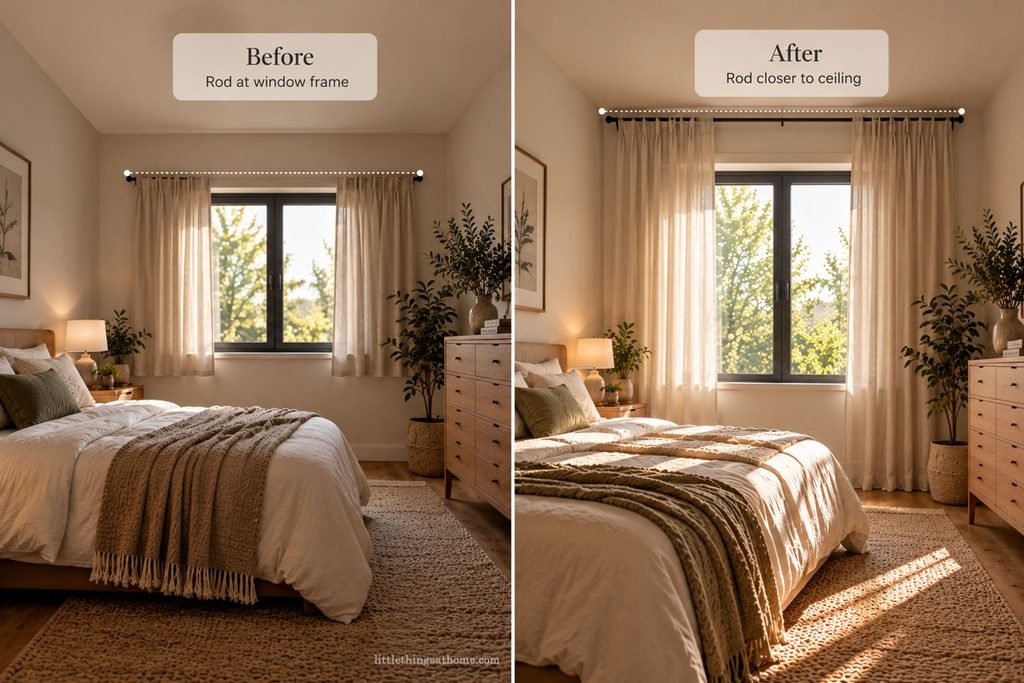
Tip: Avoid very short curtains in a small bedroom. They can make the walls feel visually lower.
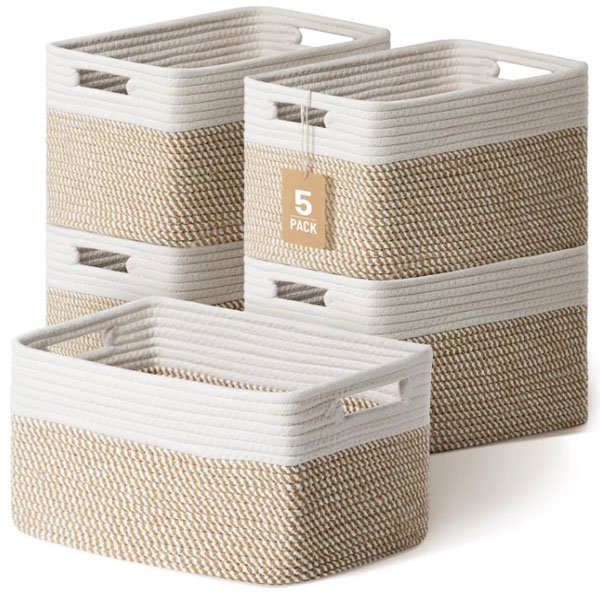
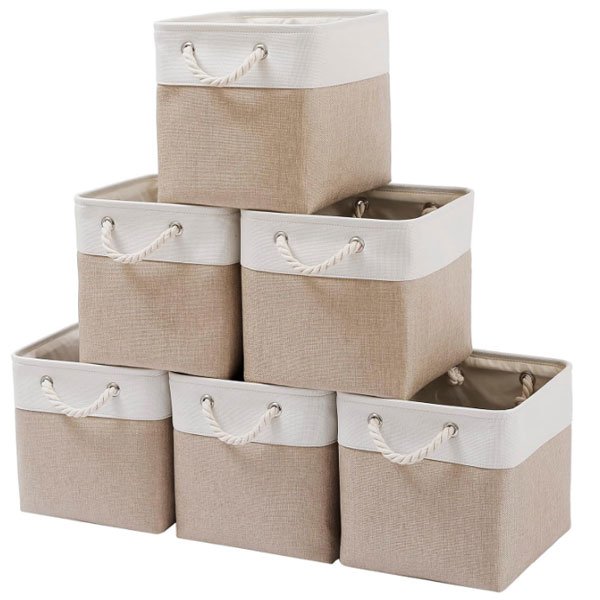
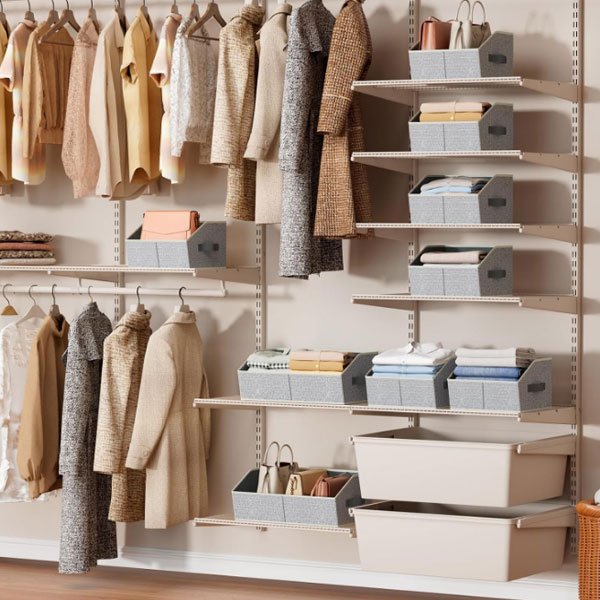
13. Use Matching or Coordinated Storage
Open storage can quickly become visually messy in a small bedroom.
If you use baskets, boxes, or fabric storage containers, choosing pieces with similar colors and materials can make everything look more intentional.
Instead of seeing ten different objects, your eye sees one organized storage system.
This is particularly useful for open shelves, wardrobes, and under-bed storage.
Amazon opportunity: Matching storage baskets, fabric bins, and closet organizers.
14. Leave Some Empty Space
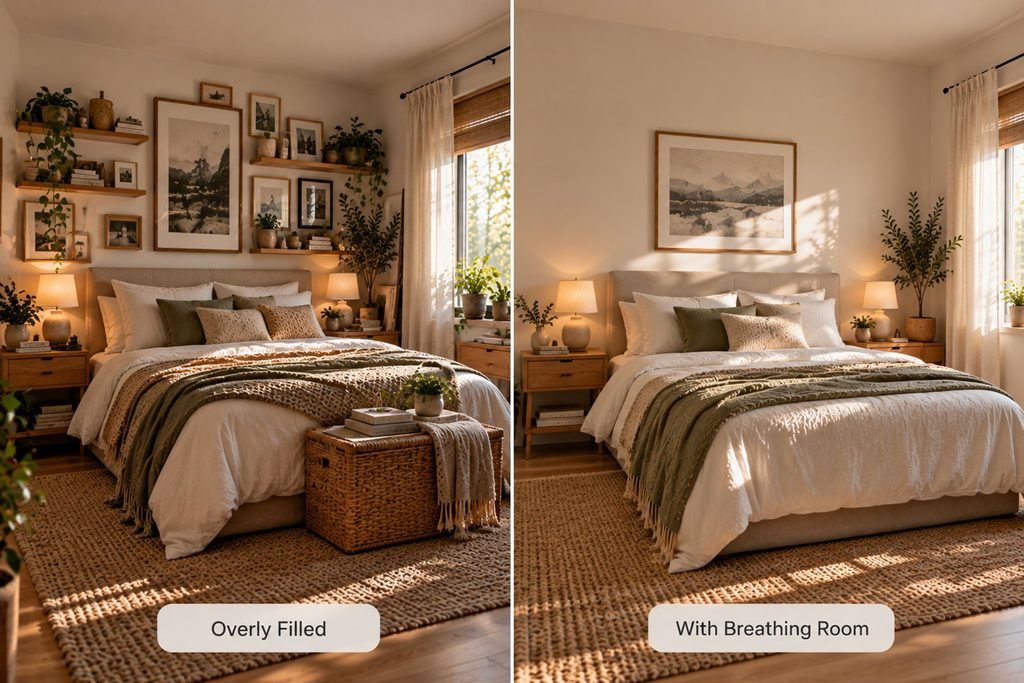
One of the easiest mistakes in a small bedroom is trying to fill every empty corner.
You don’t need something on every shelf, wall, or bedside surface.
A little empty space gives the eye somewhere to rest and can make the things you do display feel more intentional.
Think of negative space as part of the design rather than wasted space.
A simple rule: Before adding another decoration, ask whether the room actually needs it.
15. Keep the Decor Simple and Personal
A small bedroom doesn’t need to be completely minimalist to feel spacious.
The goal is to choose the things you genuinely love and give them room to stand out.
Display a favorite piece of artwork, a few books, a plant, or a meaningful object rather than covering every available surface with decorations.
A bedroom should still feel like yours. The difference is that a smaller space benefits from being selective.
Making a Small Bedroom Feel Bigger Doesn’t Have to Be Expensive
Creating a more spacious bedroom isn’t necessarily about buying smaller furniture or completely redesigning the room.
Start with the things that cost nothing: clear unnecessary clutter, rearrange the furniture, open the curtains, and give your surfaces some breathing room.
Then consider small upgrades such as better lighting, under-bed storage, a mirror, or a few well-chosen textiles.
The best small bedrooms aren’t necessarily the ones with the least furniture. They’re the ones where every piece has a purpose and the room still has space to breathe.
Sometimes, making a room feel bigger starts with simply giving it a little less to hold.
More Small-Space Ideas
If you’re working with limited space throughout your home, explore more ideas for creating a comfortable and functional space without making it feel crowded.
Also Read: